
The PSL Fellows international doctoral fellowship programme will fund 30 fellowships of a maximum duration of 36 months each year/call.
PRISM is a COFUND doctoral programme led by Université PSL dedicated to training a new generation of scientists and innovators capable of addressing the environmental challenges of the Anthropocene era. In response to global warming, plastic pollution, resource scarcity and biodiversity loss, PRISM develops an interdisciplinary approach combining physics, chemistry, biology and engineering to design disruptive technologies for the environmental transition.
The programme aims to develop energy-efficient industrial processes operating at low temperature and low pressure by relying on soft matter science and microfluidics. Rather than incrementally improving existing technologies, PRISM seeks to overcome major bottlenecks related to carbon capture and valorisation, renewable energies, polymer recycling, waste upcycling and future bioprocesses.
The programme will seek to attract 30 excellent PhD candidates through a competitive, two-phase international selection process, and to offer a comprehensive doctoral education including high level scientific and technical training on soft matter and ecological transition, as well as cross-disciplinary skills training (professional development, scientific communication, ethics, innovation, and entrepreneurship). They will have a compulsory one-month secondment with an international partner and short stays to non-academic partners. The students will have access to entrepreneurship training, including courses on innovation, intellectual property, and deep tech course if relevant. They can also visit PSL incubators and meet start-up CEOs.
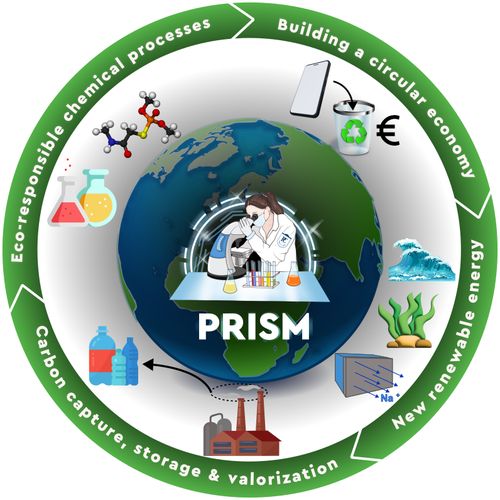
PRISM is structured around 4 major scientific themes:
T1 – Development of eco-friendly chemical processes,
T2 – Building a circular economy,
T3 – Innovative concepts for renewable energy,
T4 – Carbon capture, storage and valorisation.
The programme builds on PSL’s internationally recognised excellence in soft matter research, bringing together 13 joint research units and more than 100 researchers working in the field. PRISM also benefits from the unique environment of the Pierre-Gilles de Gennes Institute, a world-leading centre for microfluidics and related technologies.
Highly interdisciplinary and international, PRISM combines academic research, industrial partnerships and global collaborations. The students will be able to receive support from the program’s partners such as majors industrial companies including BASF, L’Oréal, Saint-Gobain Recherche Paris, Syensqo and TotalEnergies, and gain exposure to the industrial sector, for example through secondments.
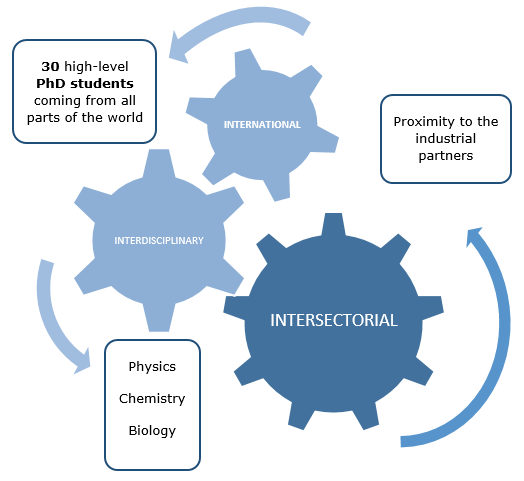
By combining scientific excellence, technological innovation and societal impact, PRISM aims to prepare the industrial and environmental solutions of the next twenty years.
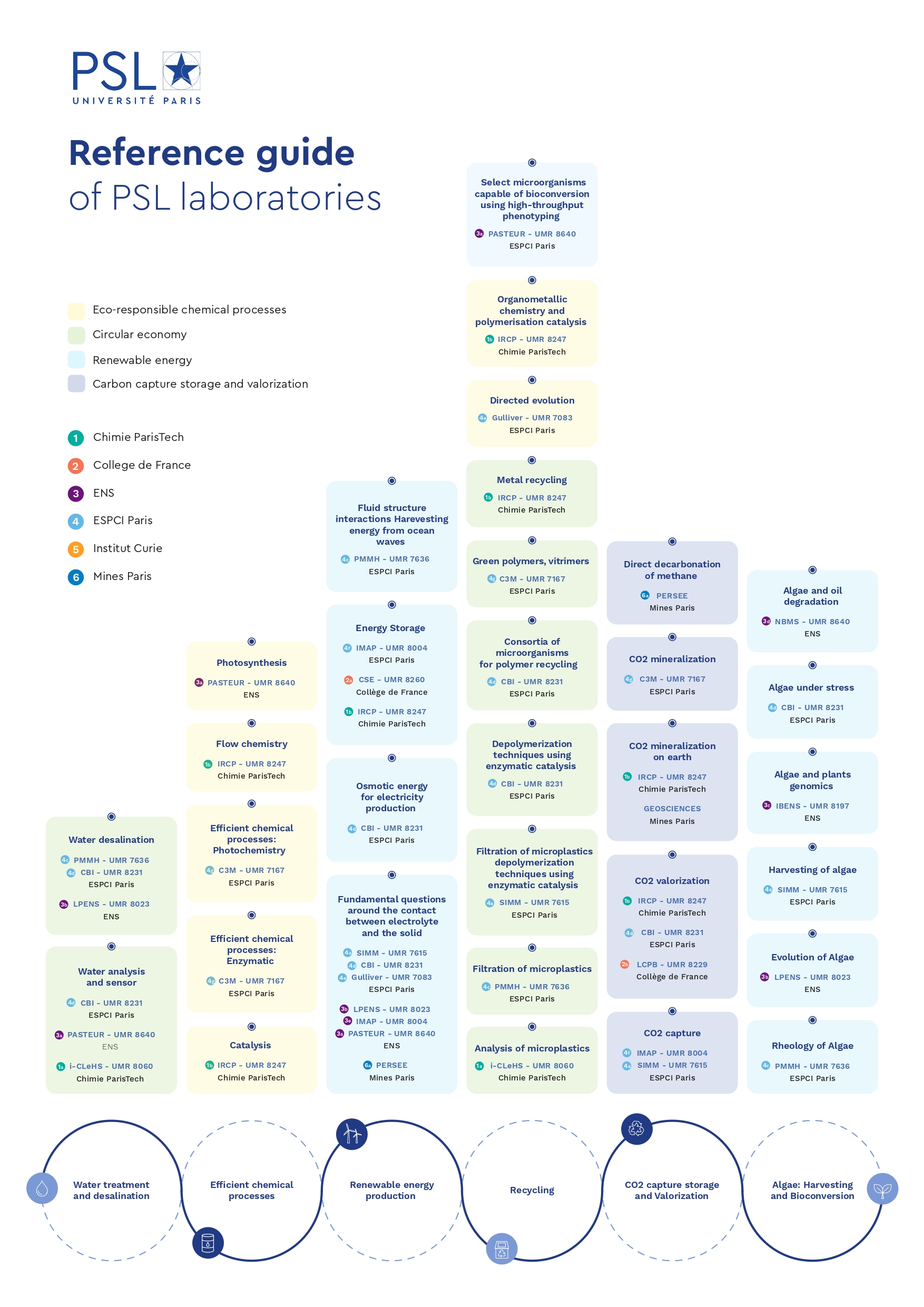

- Brochure - PRISM Programme